Opal is a manifestly individualistic gemstone. Each stone displays its own range of colors and unique patterns. Every stone is a singular piece of art! So, it’s not hard to understand how it’s become one of the world’s most sought-after gems.
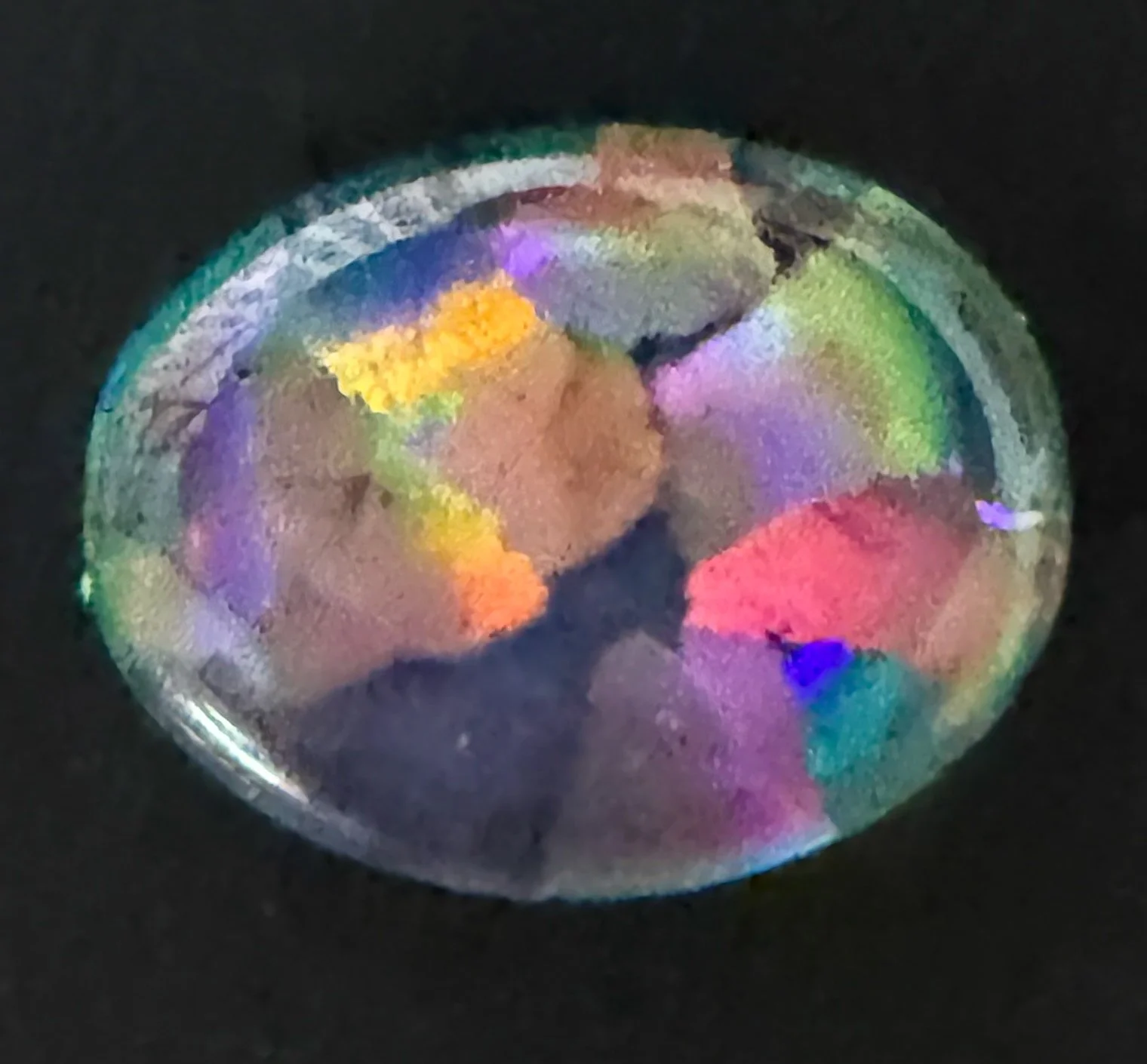
As a gemstone, opal is in a league of its own. Not only is it the only gemstone to exhibit the play-of-color phenomenon, it also has its own descriptive vocabulary, its own criteria for valuation (completely different than other colored stones) and, despite having a history that dates back to 400BC, we still do not completely understand exactly how it forms in nature.
What is opal?
Basically, opal is a form of hydrated amorphous silica (SiO2·nH2O), meaning it is silica with a high water content (6% - 10% by weight) and no crystalline structure. Because it has no crystal structure, it is classified as a mineraloid – a naturally occurring mineral-like substance that does not demonstrate crystallinity. Structurally, it’s made up of stacked submicroscopic silica spheres, with or without cement within the voids.
The compound silica (SiO2) has numerous polymorphs (from 6 to 16 depending on who you’re reading). Polymorphism is the ability of a material with a specific chemical composition form into two or more distinct crystal structures. The different forms typically arise due to different temperature and/or pressure conditions. Each different structure is a single polymorph. As an example, carbon (C) naturally occurs in two polymorphic forms: graphite and diamond. The difference between them, how the carbon atoms link together, is due to the conditions under which each forms. Graphite forms in sheets with weak forces binding the layers together, so they can easily slide past each other. Diamond, after being exposed to high temperatures and pressures forms into a rigid, three-dimensional tetrahedral shape, and is the hardest substance on the planet.
The silica polymorph that is opal comes in four different types: Opal-AG, Opal-AN, Opal-C, and Opal-CT. Opal-A is the amorphous form. The “G” denotes a gel like structure, whereas the “N” denotes a network structure, similar to glass. Opal-C and Opal-CT are microcrystalline or paracrystalline forms. Over geologic time, disordered amorphous forms of silica transition toward stable quartz:
Opal A —> Opal CT —> Opal C —> Quartz
It was once believed that all gem opals were Opal-AG, because almost all Australian opals are. However, we now know that it is dependent on the environment in which the opal forms, with precious opal from a sedimentary environment being Opal-AG, and precious opal from the volcanic environment being opal-CT.
What is Play-of-Color?
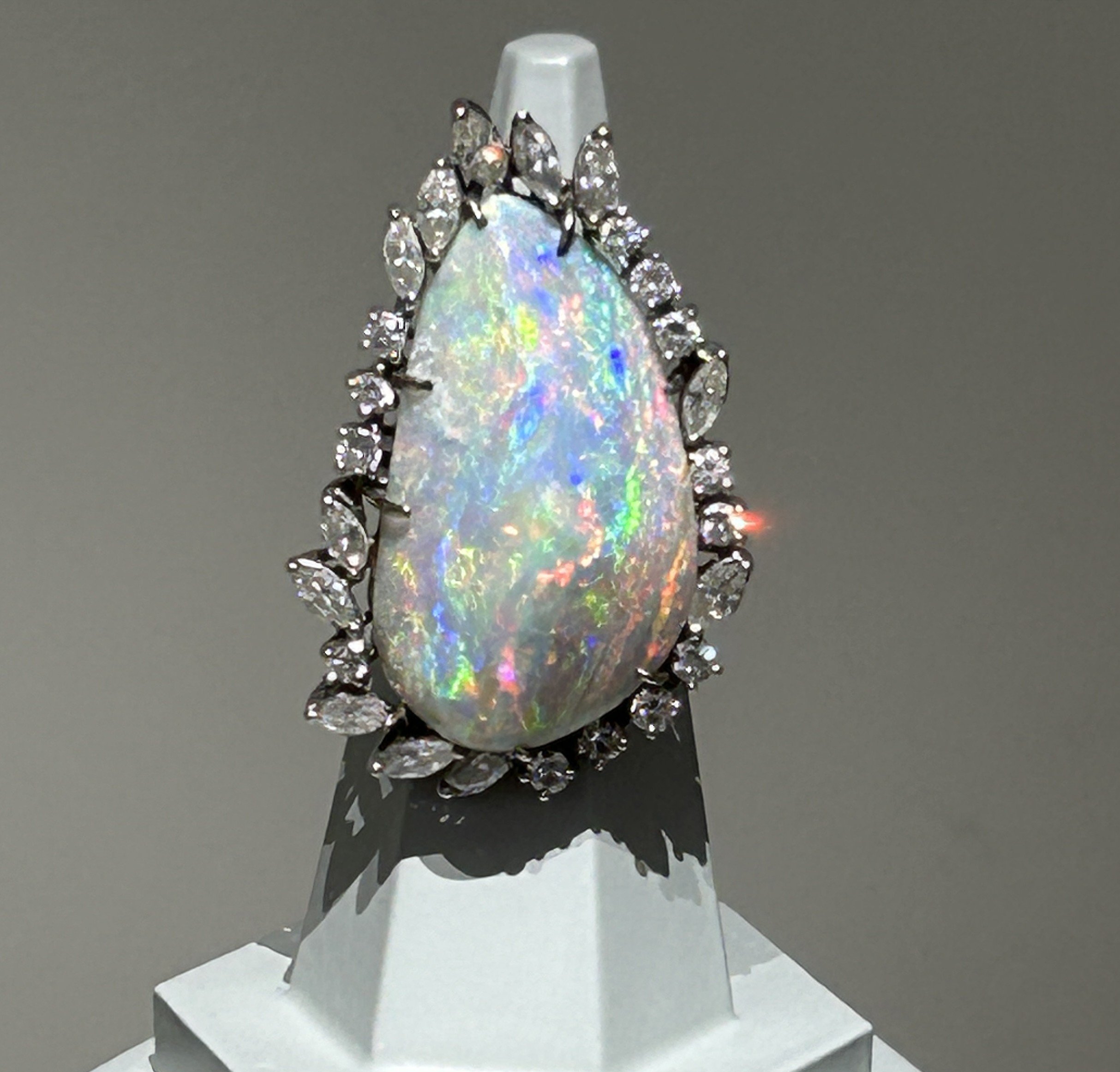
Gemstone opal is subdivided into two categories – precious and common – determined by whether it displays “play-of-color”. Play-of-color is an optical phenomenon in which flashes of color, are displayed across the gem. This can be one, two or many different colors, up to the full rainbow spectrum. Common opal (also called potch) does not show any play-of-color.
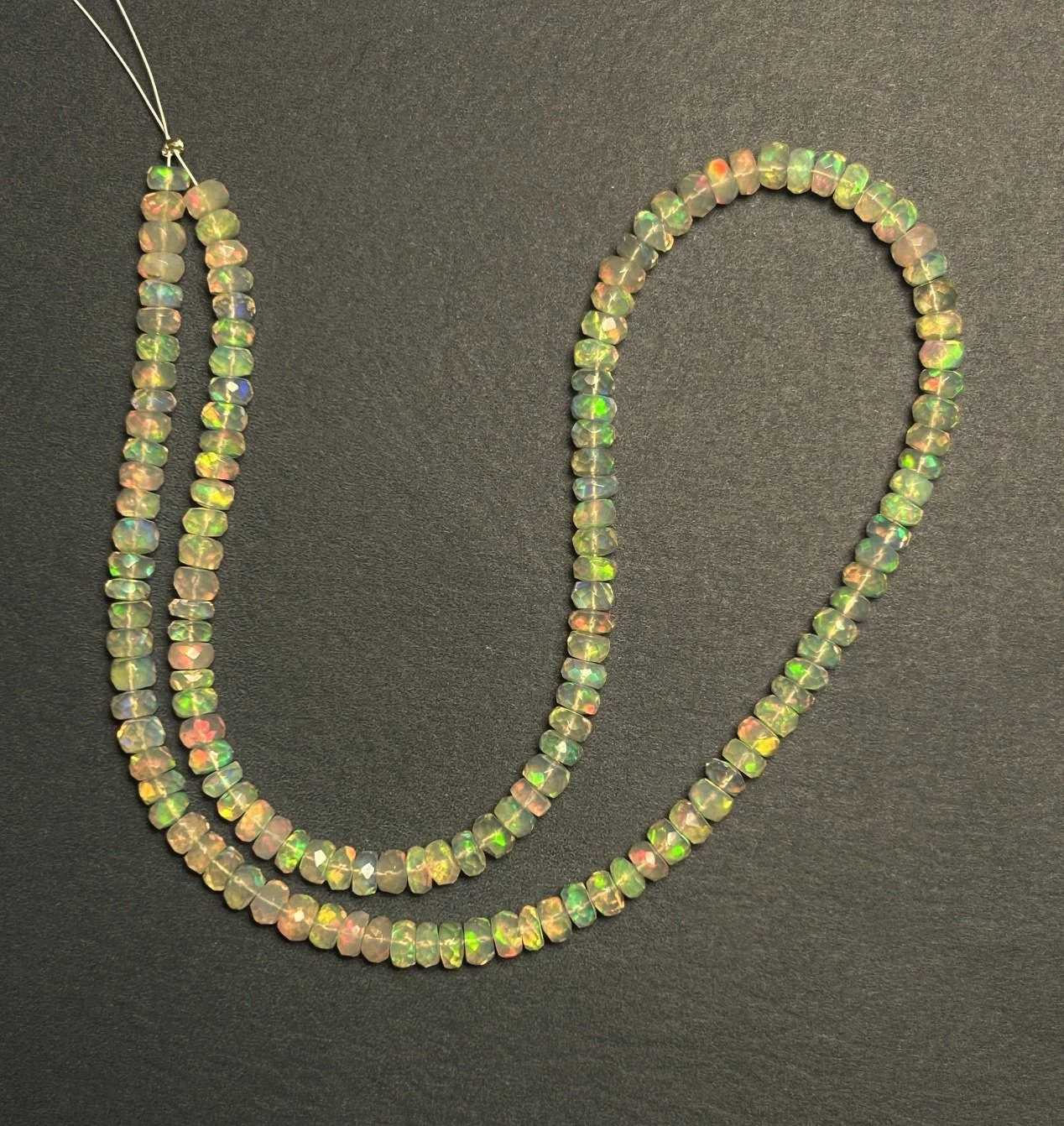
String of Ethiopian opal beads displaying a range of rainbow colors - a phenomena called play-of-color.
Photo and beads, Artisan Jewelry Creations
Scanning electron microscopy has revealed that opals with play-of-color are made up of a regular, three-dimensional grid of silica spheres, uniform in size and separated by tiny voids. When the silica spheres are in this configuration, uniform in size and closely packed, white light passing through this structure splits into its constituent wavelengths (colors) due to the combined effects of diffraction and interference. When those wavelengths are reflected back out through the stone, we see the corresponding colors.
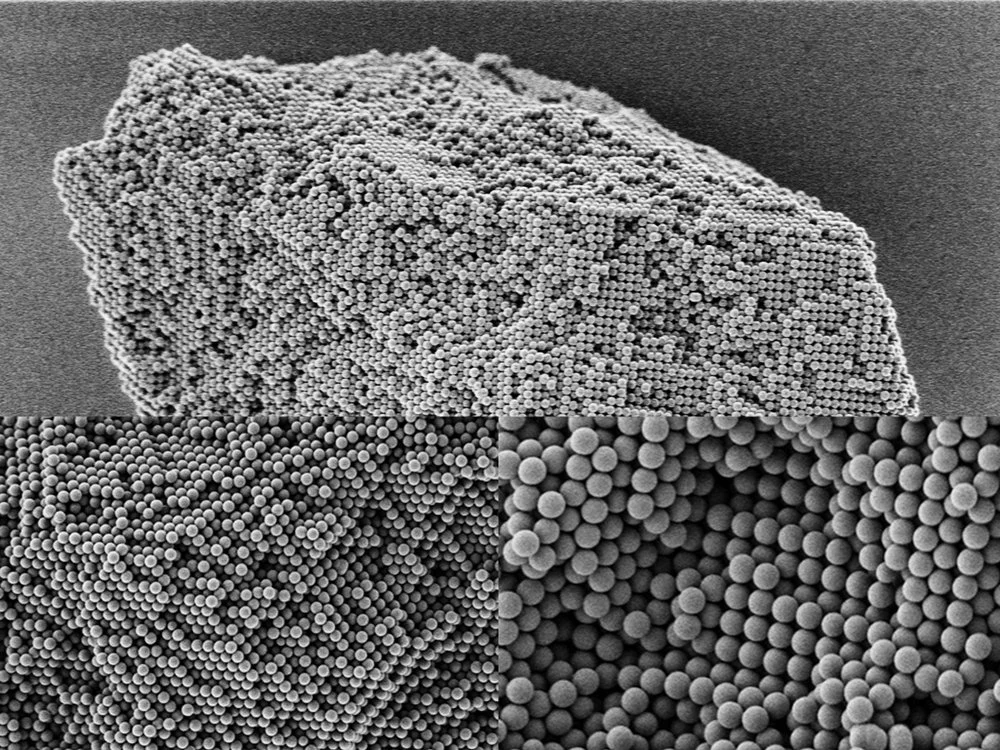
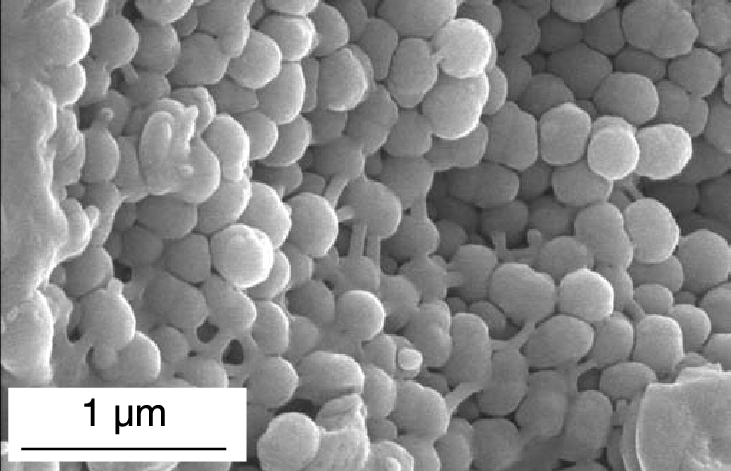
A precious opal may or may not display all the colors of the rainbow. Many only display one, two, or three. The cause is again the size of the spheres. At a diameter of 138 nanometers (nm), the spheres diffract visible light of the shortest wavelength, which produces violet. As the sphere diameter increases, other colors appear, starting with blue. Spheres over 241nm in diameter can produce red. Except for violet, each sphere size produces the color associated with that size as well as all colors of shorter wavelength. Because red is produced by the largest size (over 241nm), opal with spheres of this size can display all the other colors.
Large spheres are much less common than smaller ones, resulting in a range of color rarity, going from less to most rare of blue, green, yellow, orange, and red. This then results in color combinations of blue only, blue-green, blue-green-yellow, blue-green-yellow-orange, and finally the full spectrum of blue-green-yellow-orange-red. Due to this, opals with red in them tend to be the more colorful (full spectrum) and the rarest (large sphere size).
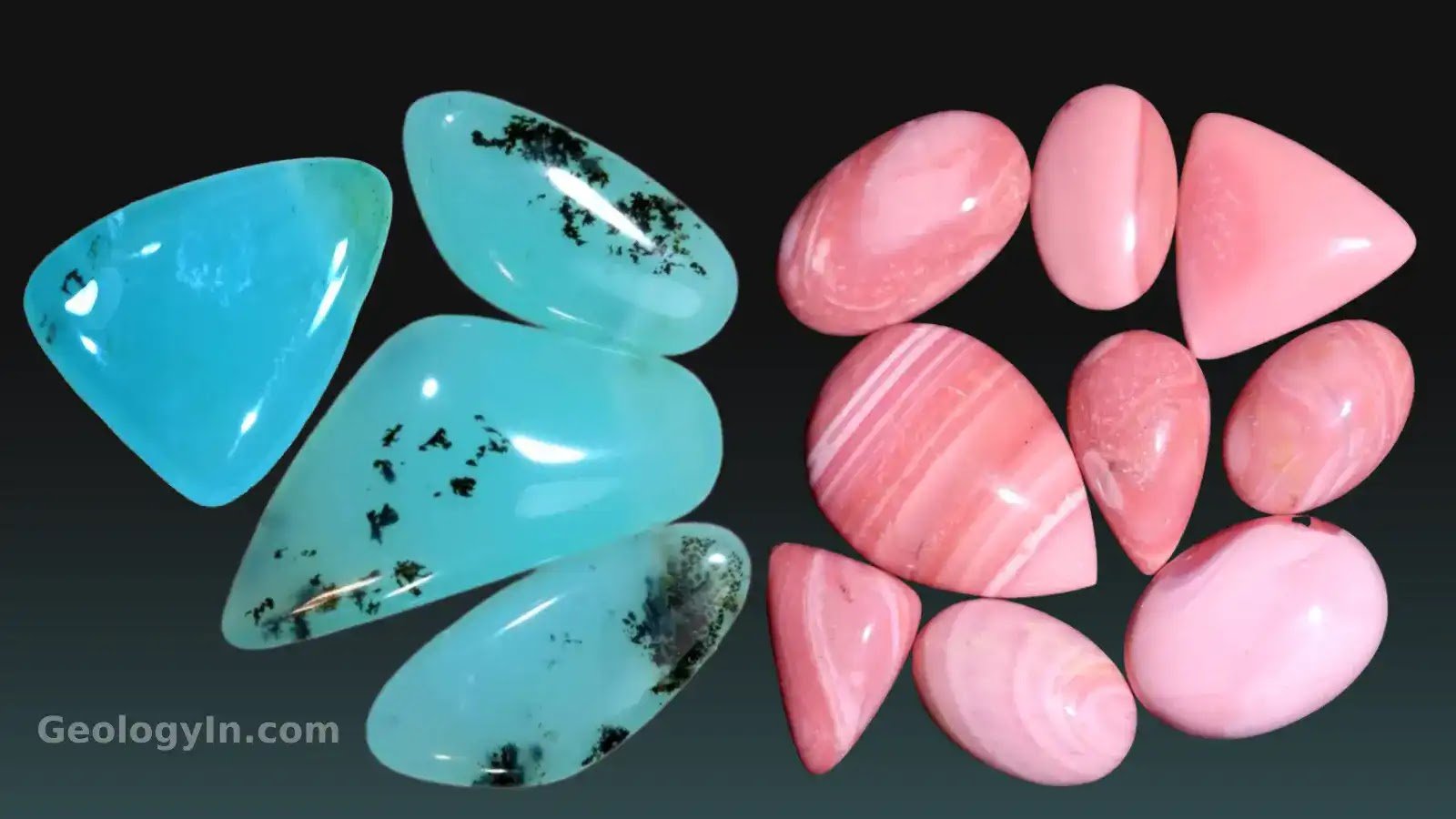
Common opal has a disordered packing arrangement of non-uniform size and shape spheres. The disordered nature creates interference in the wavelengths, no return of those to our eyes, and thus, no flashes of color. Common opals, with typically opaque body colors that include pink, blue, green and purple colors, can be gem quality, but are not considered precious opals. The best-known opals in this category are Peruvian pink and blue opals. The rare purple Moldado opal from Mexico is also in this category.
How do opals form?
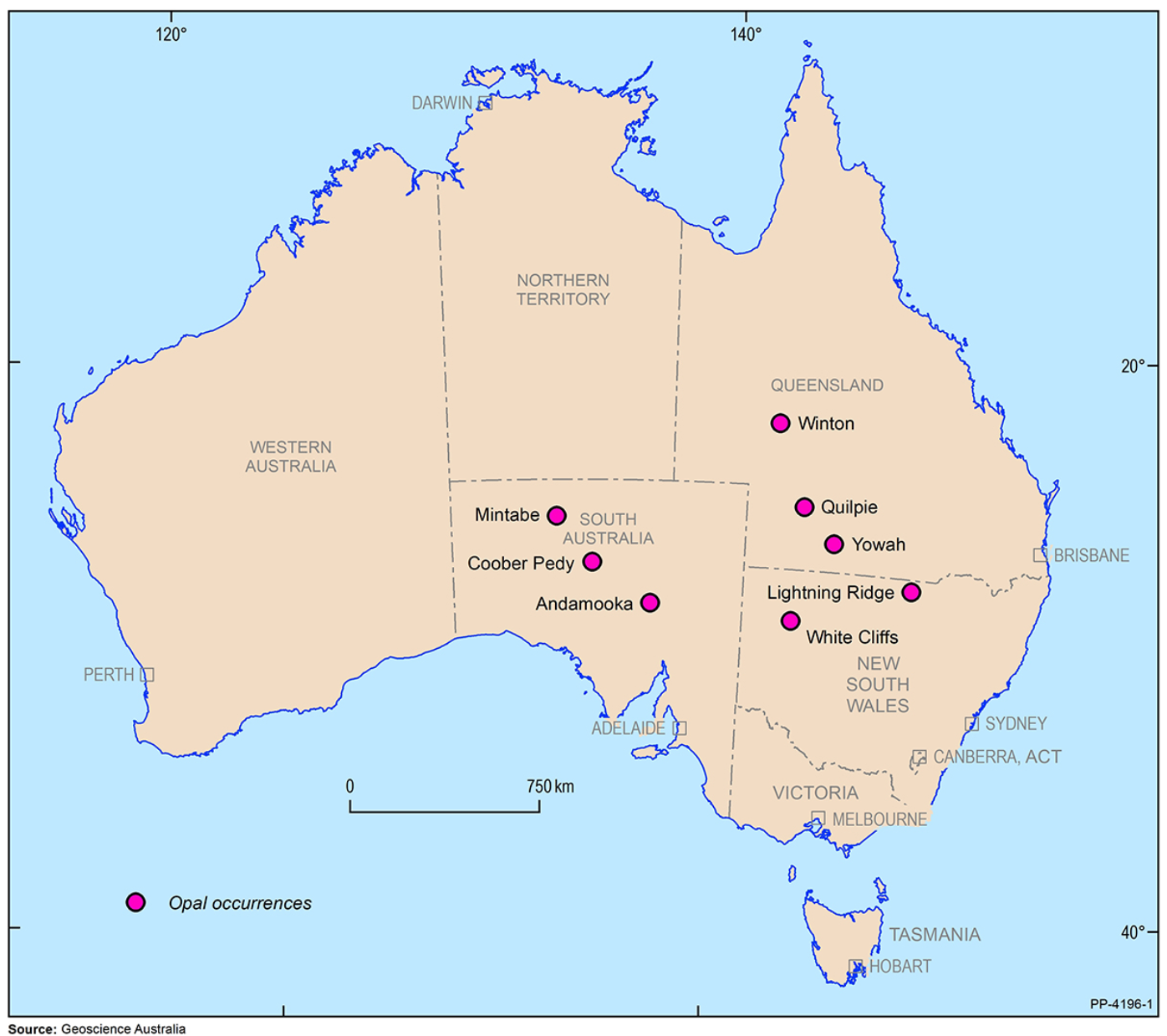
Opals occur in many countries around the world (Australia, Mexico, Ethiopia, Brazil, US, Canada, Honduras, and Madagascar, Peru, Venezuela, Kazakhstan, Turkey, Slovakia, Austria, Tanzania, and France) but by far the best known is Australia. Mexico and Ethiopia are also key opal producers.
They can be found within both sedimentary and volcanic deposits. The opal is not part of the original depositional environment. Rather, it is a secondary mineral formed by alteration of a silica-rich host rock, meaning it was formed after the rock was deposited. The silica is dissolved from the rock by weathering processes, and the resulting silica-rich fluid re-precipitated as spheres, in empty spaces within or below the original host rock. Chemical analyses of both sedimentary and volcanic opals showed that the opal and their host rock contain the same chemical elements, but in much lower quantity in the opal.
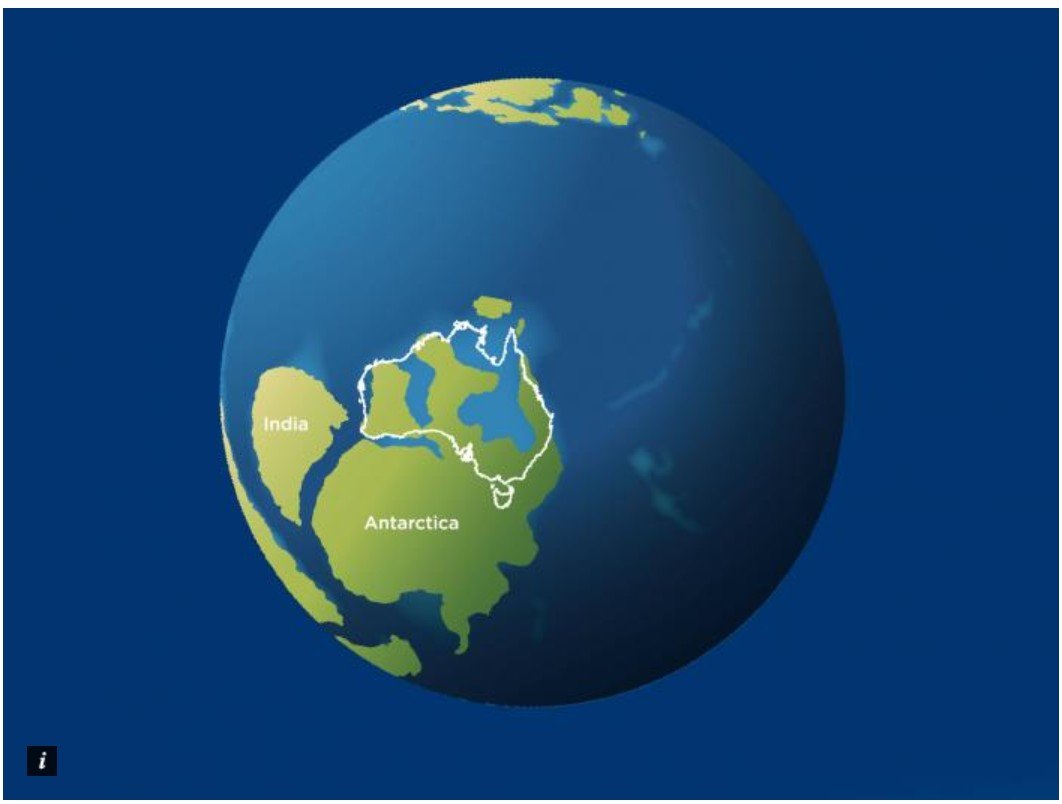
In Australia’s main fields it is thought that Cretaceous sediments in the Great Artesian Basin, along the shoreline of what was once the Eromanga Sea, underwent deep weathering during the Tertiary. The Eromanga Sea was a shallow, poorly connected, muddy, stagnant inland sea whose inflowing rivers carried volcaniclastic sediments eroded from surrounding volcanic arcs. It covered up to a third of the Australian continent ~ 110 to 120 million years ago. Over millions of years, the sea filled up with sediment, many of which contained fossils. Intense weathering of these sediments is considered the best process to explain the formation of the opals. But, the details of such weathering are still debated. The most recent work suggests the anoxic environment created lithologies with an exceptionally large acidification potential and extremely reactive to oxidation. Silica released and mobilized during this process percolated through the rocks via faults, joints, fractures and other discontinuities. Eventually, it filled those voids, and the silica spheres began settling out and depositing in layers. The gel-like compound eventually hardened and cemented together. In Australia, opal has also been found to have filled voids left by dissolution of the calcareous shells, fossil bivalves and gastropods, as well as few famous examples of opalized dinosaur skeletal parts. Most of the Australian opal is believed to have been emplaced 15–20 million years ago.
In Ethiopia, the environment is volcanic, but still silica rich. Welo opal, as it is known, occurs as nodules, veins, and seams within the Tertiary deposits of the Ethiopian highlands, near Wegal Tena. Over 350,000km3 of basaltic lava blanketed the area, stacking layers up to 3,000 meters thick during the Oligocene pre-rift phase (~30 million years ago). This massive event was bimodal, with heavy, fluid basalts alternating with explosive, silicia-rich rhyolitic lava, tuff, and ignimbrite deposits.
Two hypotheses predominate for the method of emplacement of the siica-rich fluid: weathering (like in Australia); and circulating silica-rich fluid from the volcanic activity. In either case, silica rich fluids traveled through cracks, voids, and former gas bubbles. Over time, with cooling and drying, an amorphous silica gel deposited into the spaces and eventually hardened into opal.
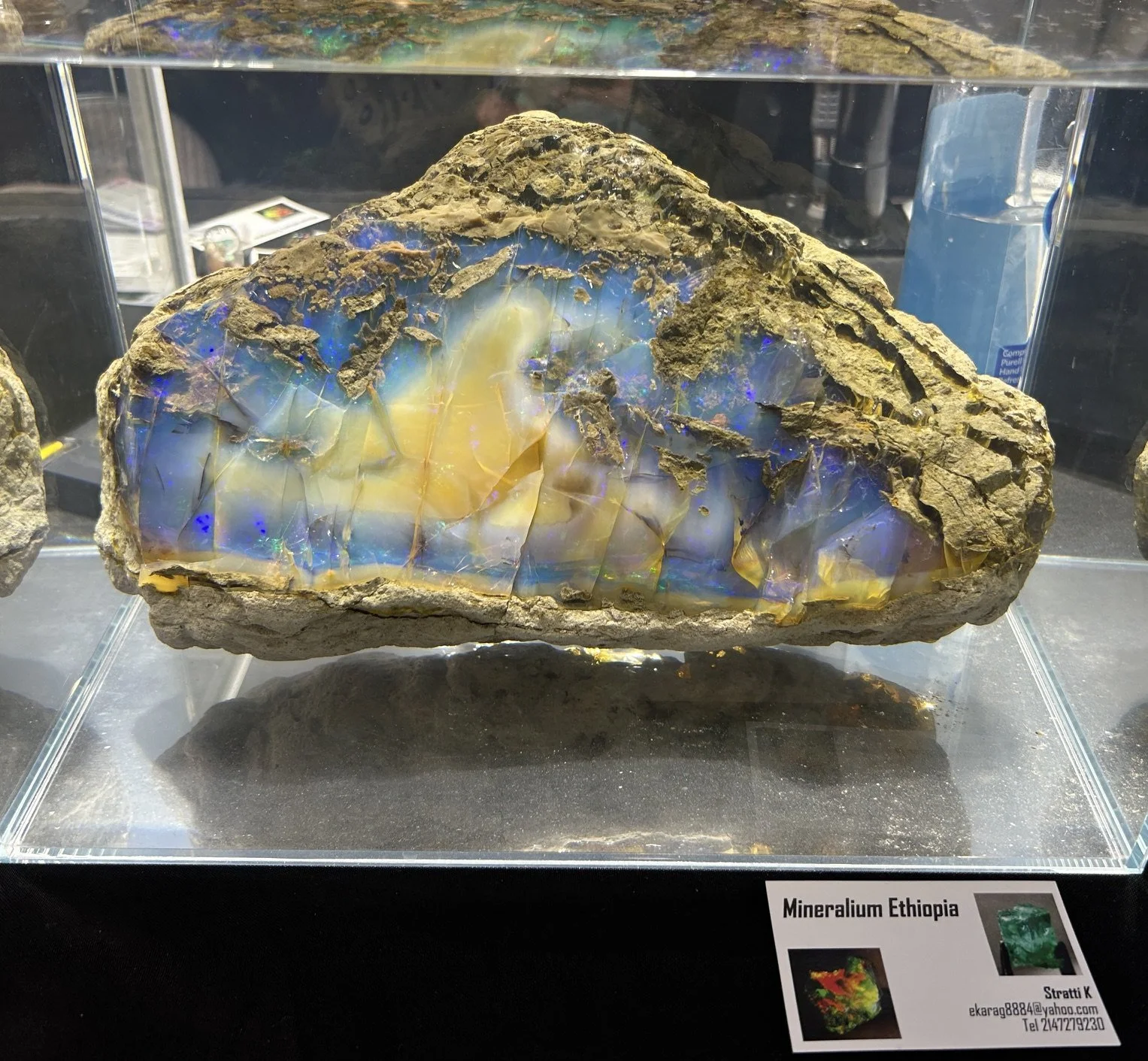
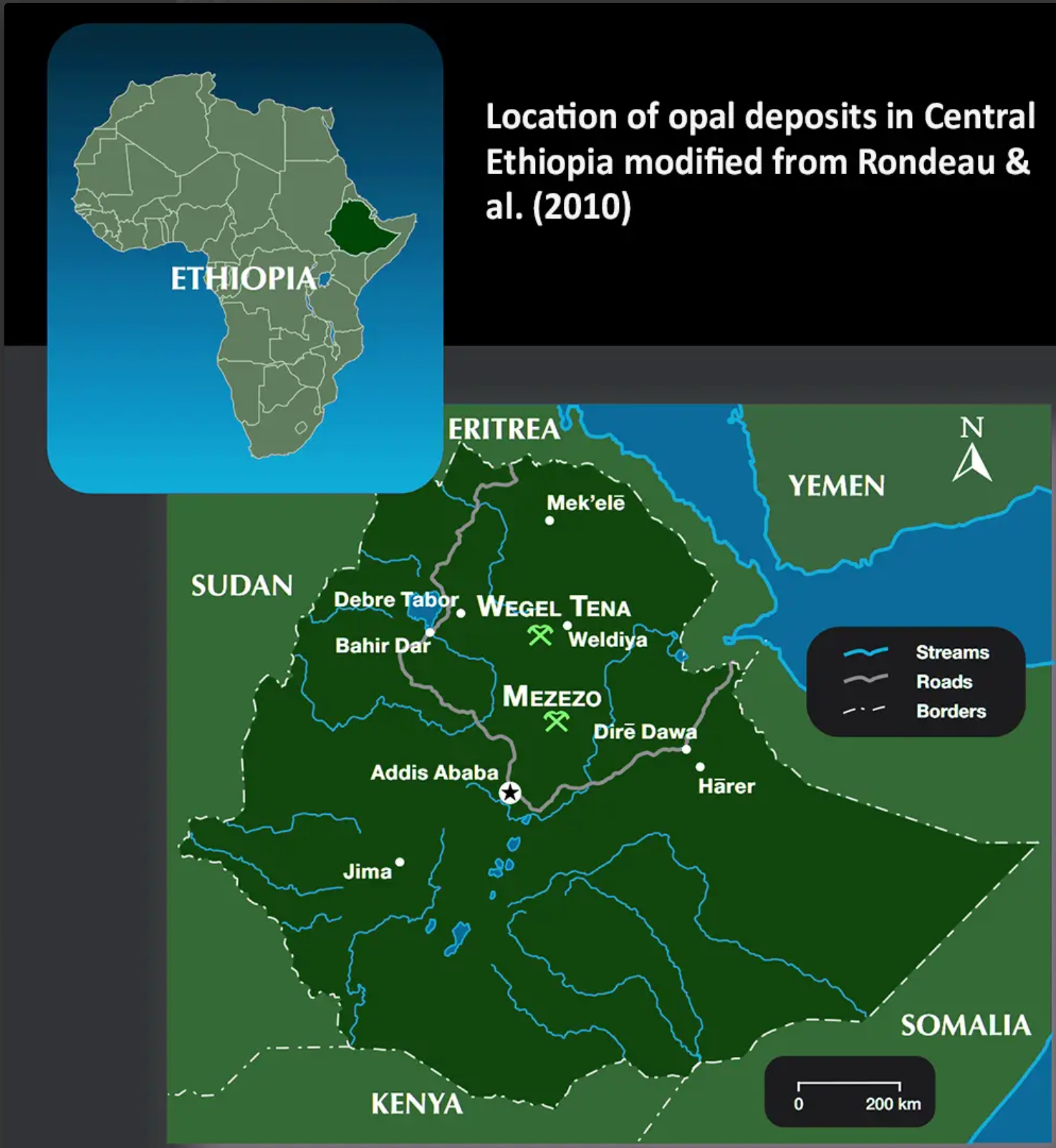
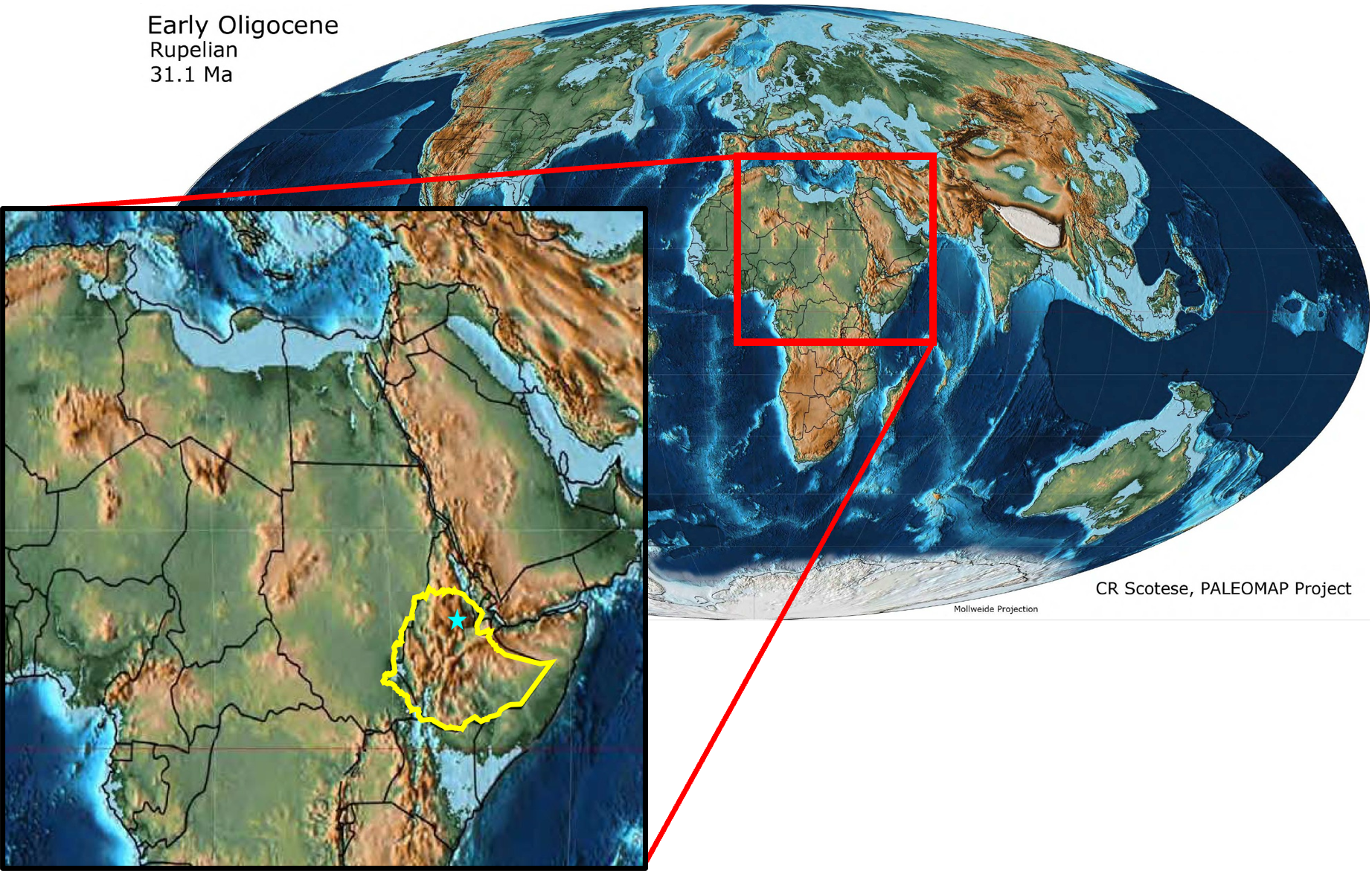
Interestingly, Welo opals possess a unique, highly interconnected porous structure, not found in all volcanic opals. This is also distinctly different than Australian sedimentary opals which have fewer pores and are denser. The highly porous nature of these opals makes them strongly hydrophane, able to absorb up to 15% of its weight in water. The absorption of excess water can temporarily change the opal’s appearance (transparency and play-of-color). The structure of the pores allows the material to add and lose water dynamically, accommodating humidity fluctuations without building up destructive internal stress. Nonetheless, any opal exposed to rapid changes in moisture can crack.
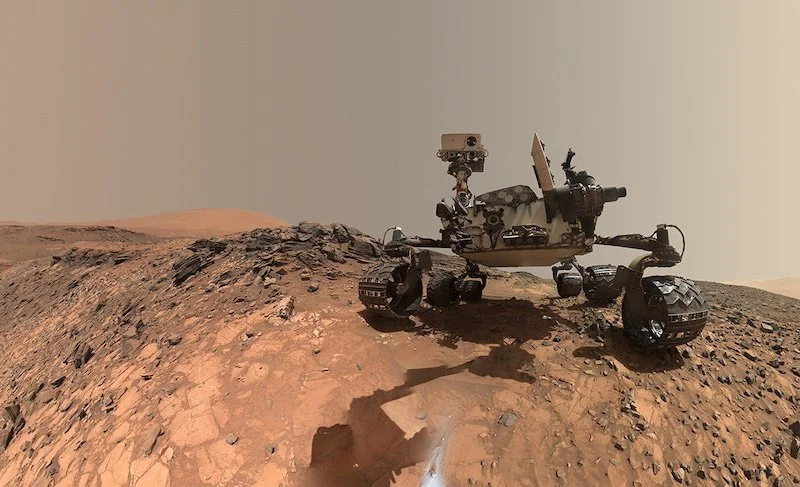
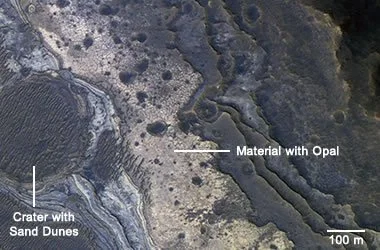
In 2008, NASA's Mars Reconnaissance Orbiter discovered opal deposits on Mars and in 2015 NASA’s Curiosity Rover also found opal. The Reconnaissance Orbiter identified opal as being exposed in the outcrops of crater walls. The Curiosity Rover found opal in extensive fracture halos in Gale Crater. These are not necessarily precious opal deposits, but given what we understand about how opal forms, it is another piece of evidence that water once existed on the planet.
Evaluating opal
Opal is a very difficult gemstone to value. The 4-C’s criteria (color, carat weight, clarity, and cut) usually used to evaluate colored gemstones are not sufficient for distinguishing levels of quality in opal. Within color alone one must judge both body color and play-of-color. Brightness, range of color, direction and pattern of color must also be assessed. For clarity, one must evaluate both inclusions and degree of transparency but in a manner different than, say a sapphire. But, just as in all colored gemstones, a truly standout opal each of these factors combine in exactly the right way, and that is why exceptional opals are rare and expensive. For most opal types, value increases as the transparency and the amount and intensity of play-of-color increase.
Because opal evaluation has so many factors, precious opals are grouped into categories. Each category has its own unique qualities and value factors and individual opals are evaluated based on those. In overall evaluations, some categories are considered better than others.
These categories include:
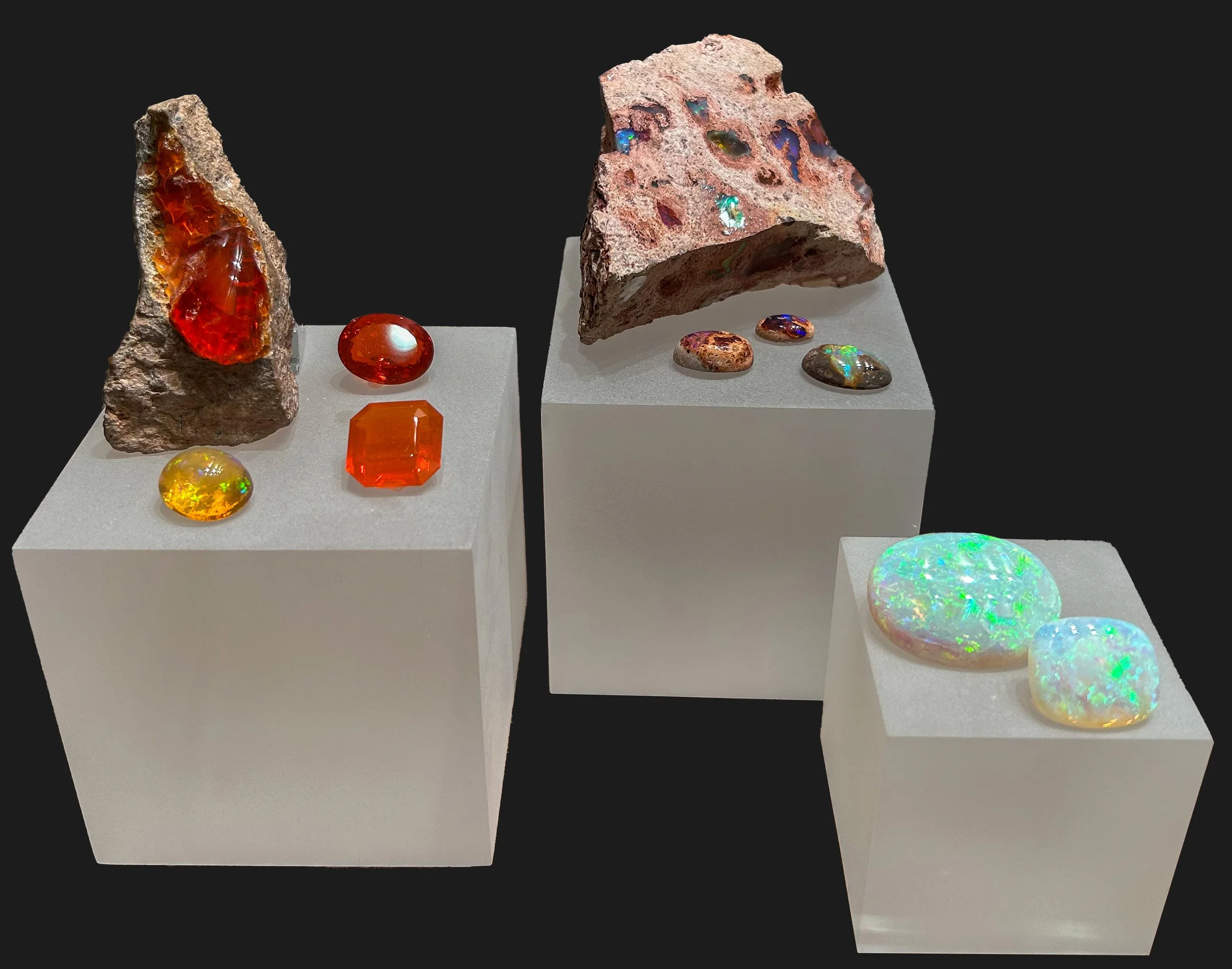
Black — A black or dark grey appearance in reflected light, can range from translucent to opaque. Play-of-color is typically strong. Black opal commands the highest price of all opal types.
Crystal —Transparent to semitransparent, no body color. Exceptional play-of-color.
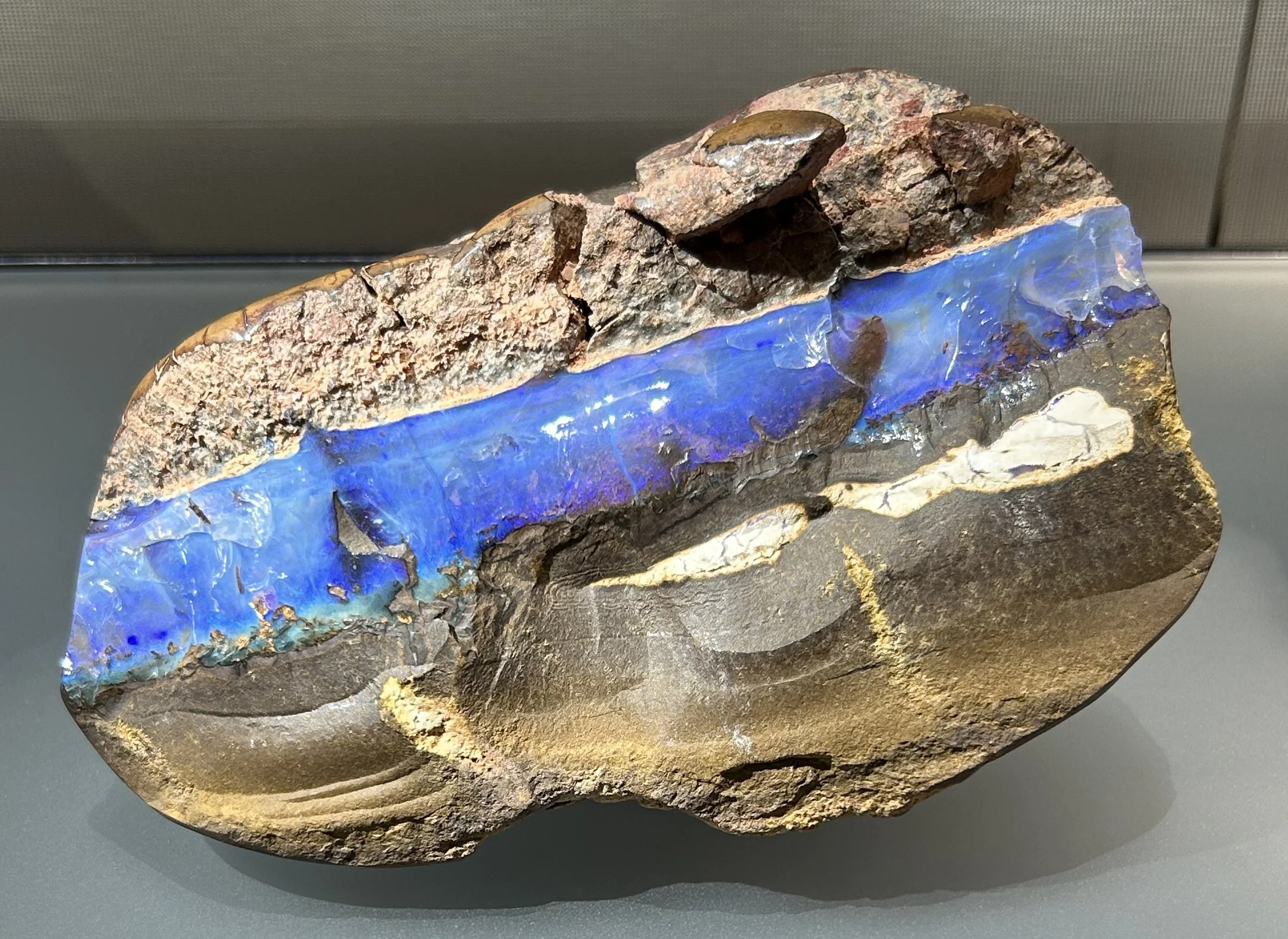
Boulder —Contains host-rock fragments, or matrix. The matrix often serves as a reinforcing layer behind the opal, which is typically thin. Can have beautiful play-of-color.
White —Background color ranges from translucent white to medium grey. Most commercial-quality opal is this type. Wide ranges of quality.
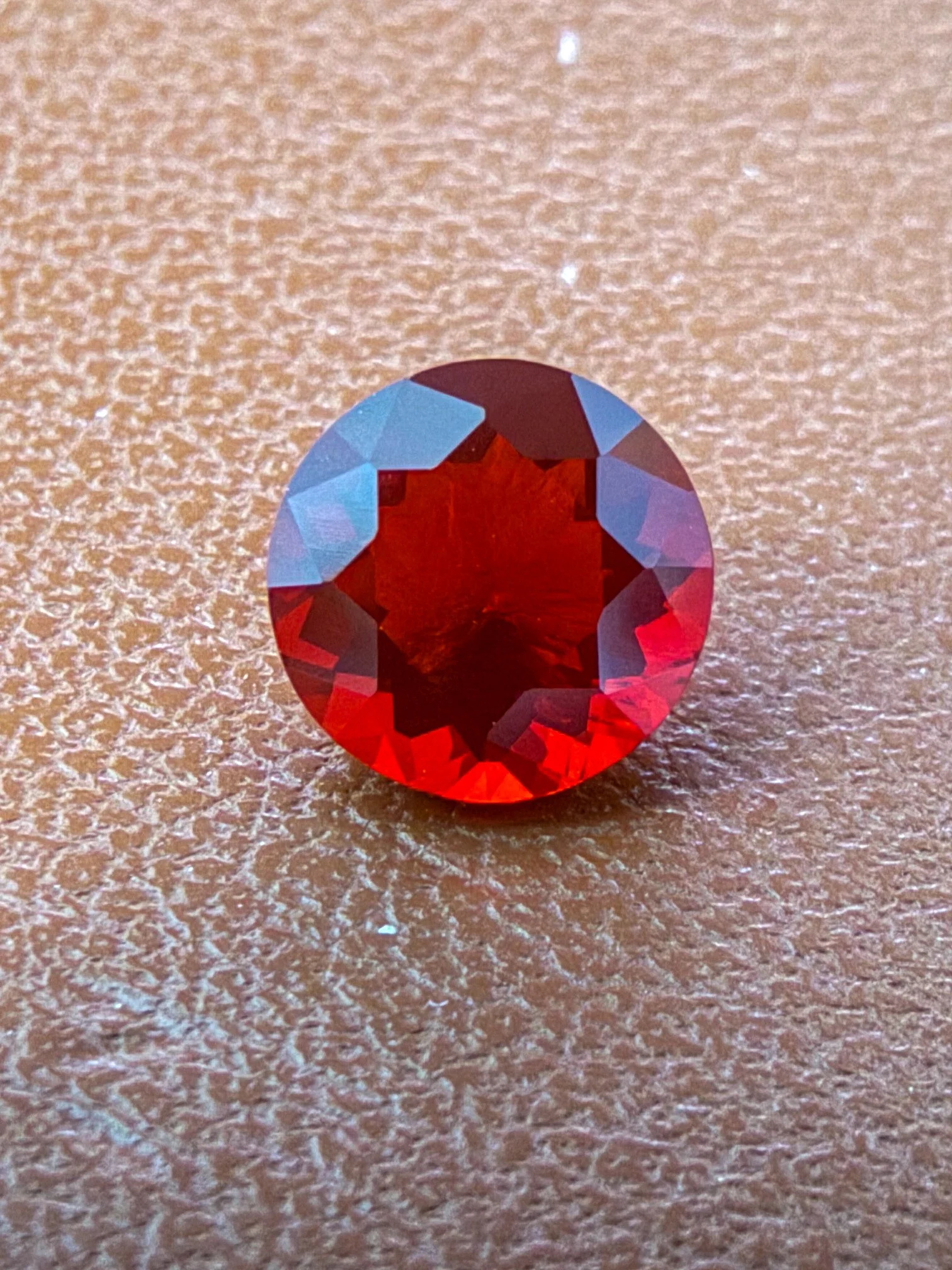
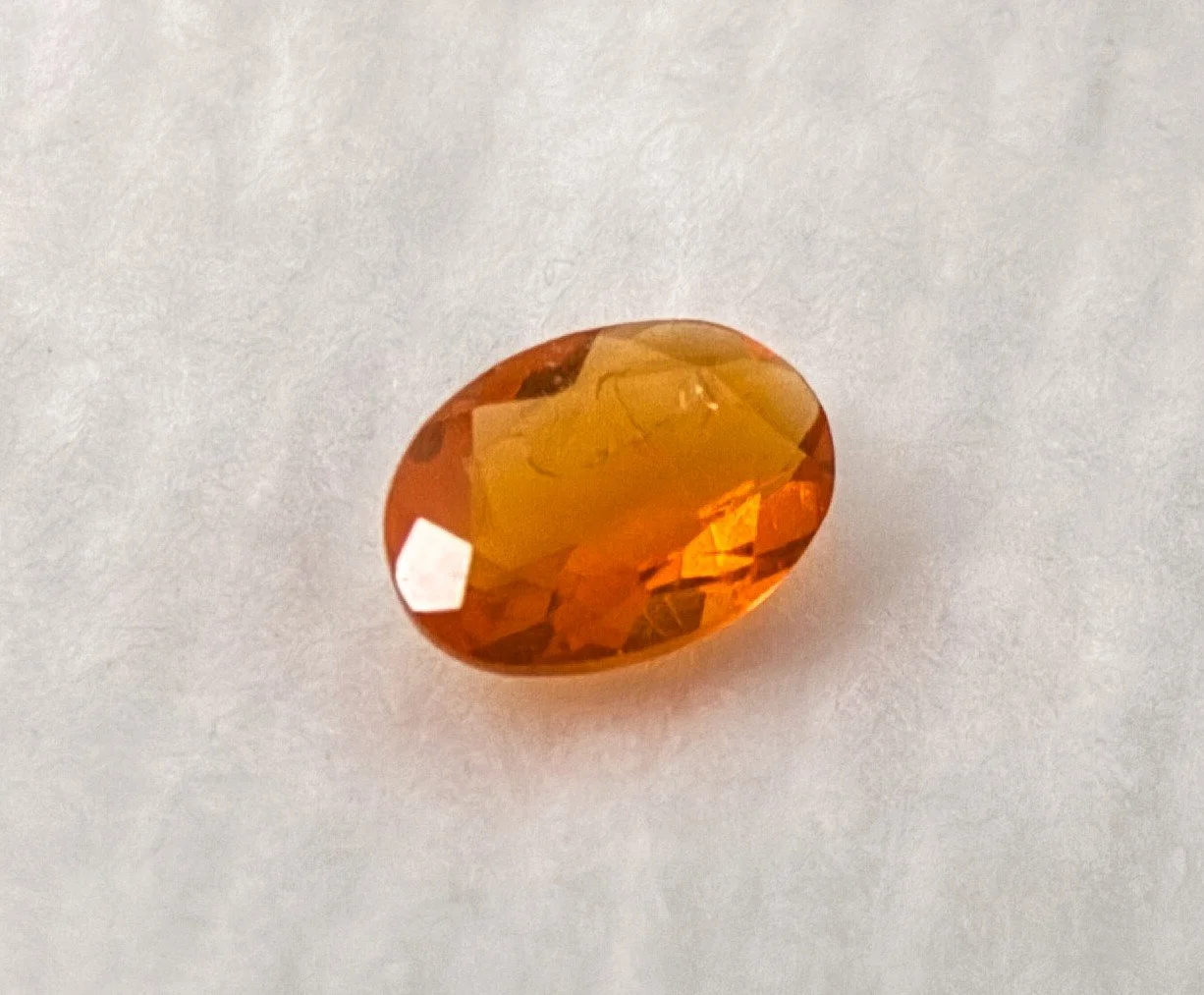
Fire —Background color of reds, oranges or yellows, ranges from transparent to translucent; may show play-of-color, but it is not required for this type. The top color is usually red-orange to bright red and must be uniform.
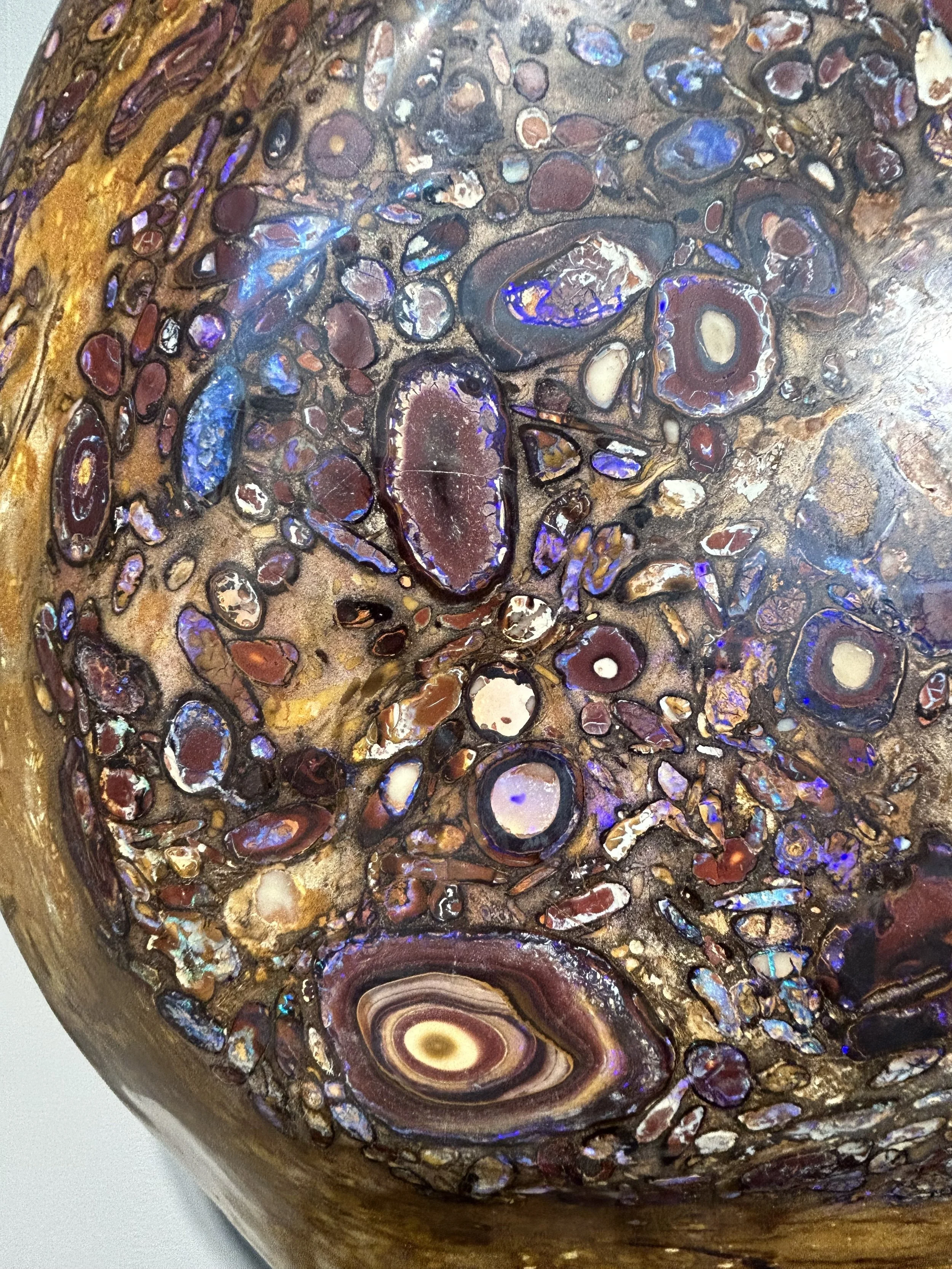
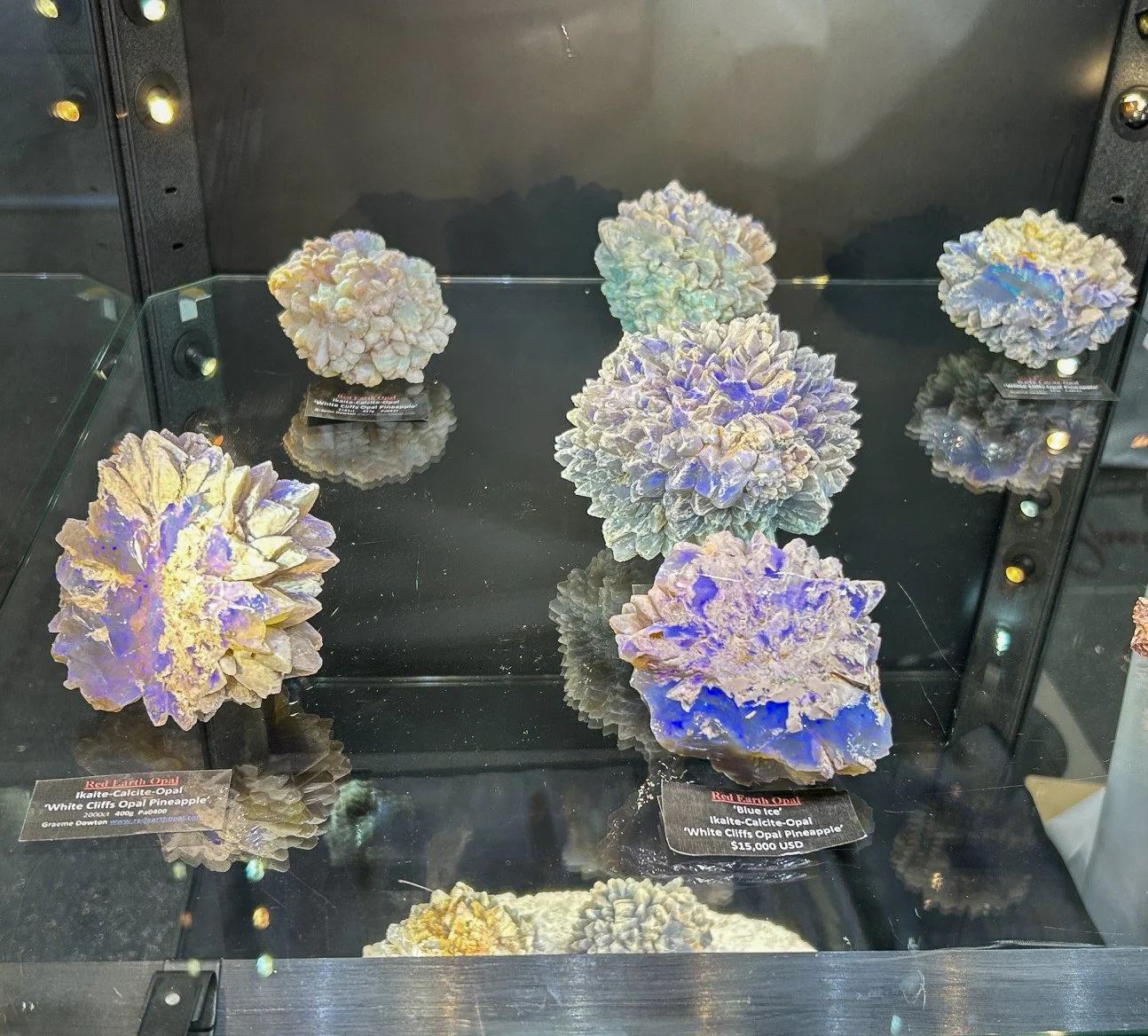
Louisiana – Sandstone where grains are bound together by a cement of precious opal. Found primarily within the Catahoula Formation in Vernon and Sabine Parishes near Leesville and Toledo Bend, Louisiana. Colors include light blue, tan, brown, lavender, and grey.
Contra-Luz - Play-of-color is best seen when light source is from behind the stone (traveling through it). Must be transparent or semi-transparent.
Water —Ranges from transparent to translucent. Faint play-of-color. Water opal is lower in value because its play-of-color is lackluster.
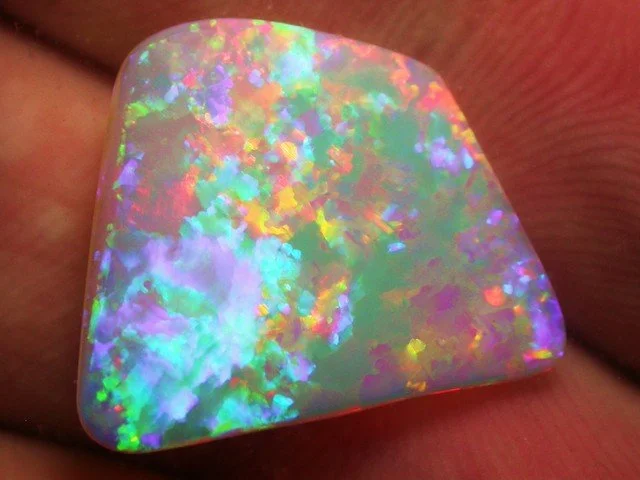
Pattern, the arrangement of an opal’s play-of-color, is also a key factor in evaluating a precious opal that is unique to opals. Dead spots typically detract from the value, especially if there are several of them. There are 3 primary patterns: Pinfire—Very small patches or “dots” of play-of-color; Flash—Large areas of play-of-color; and Harlequin—Distinctly rectangular or diamond shaped patches of play-of-color with edges touching each other. You can also find other pattern names, some put forth by sellers, that are less well defined, like flagstaff, dragonscale, chinese writing, honeycomb, ribbon, etc. The Ethiopian Welo opals have caused the introduction of a unique pattern, which is mostly only seen in those opals: Digit – finger shaped, columnar, play-of-color zones separated by areas of common opal. These are sometimes polygonal or have rounded tops.
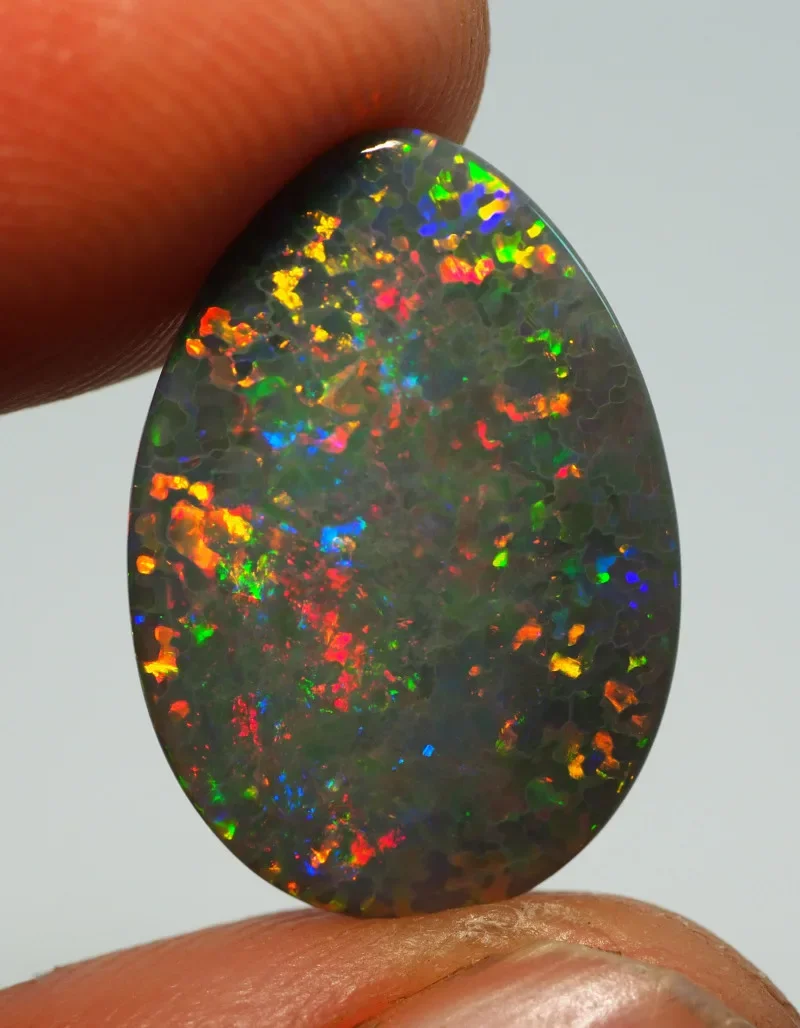
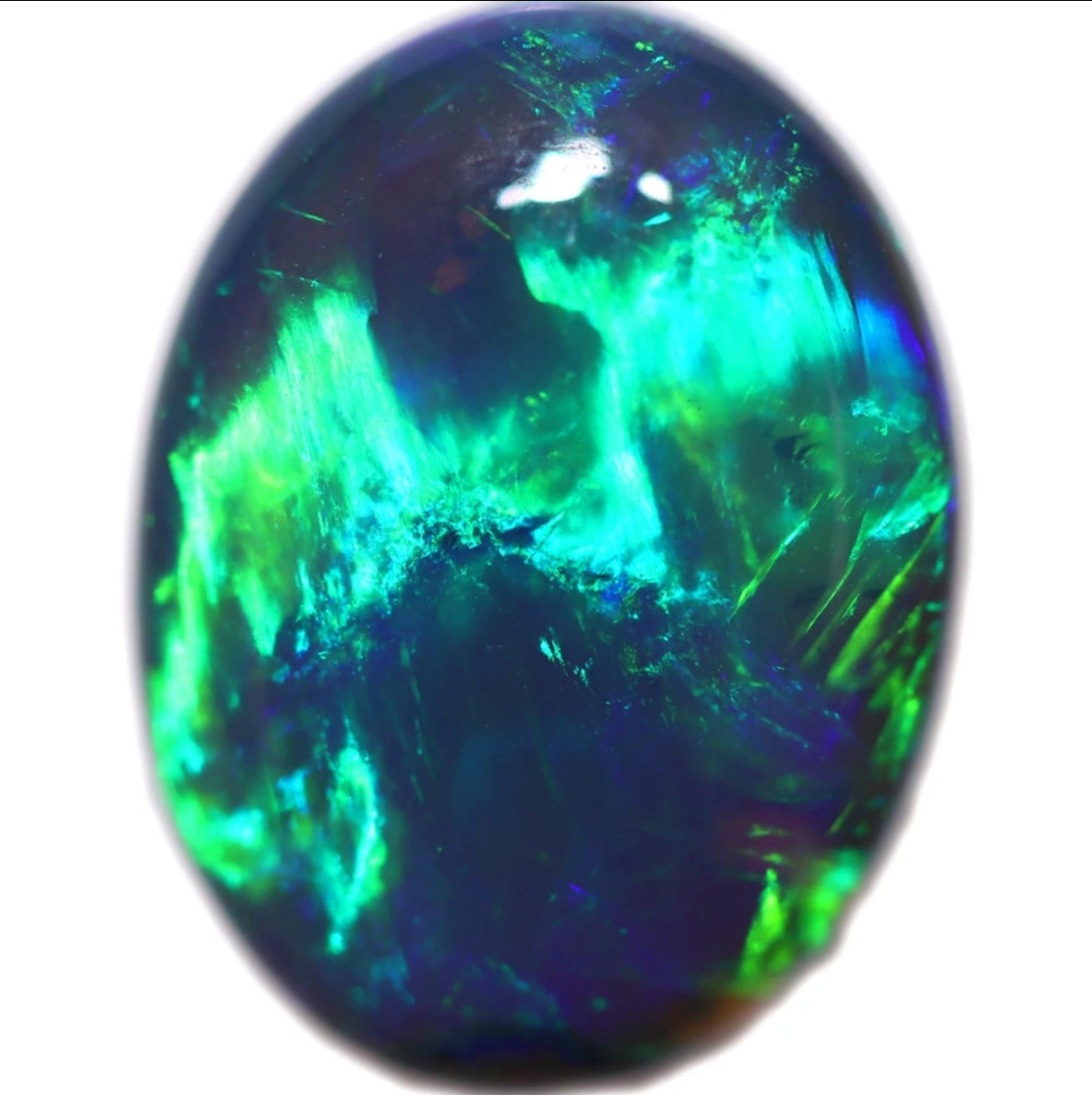
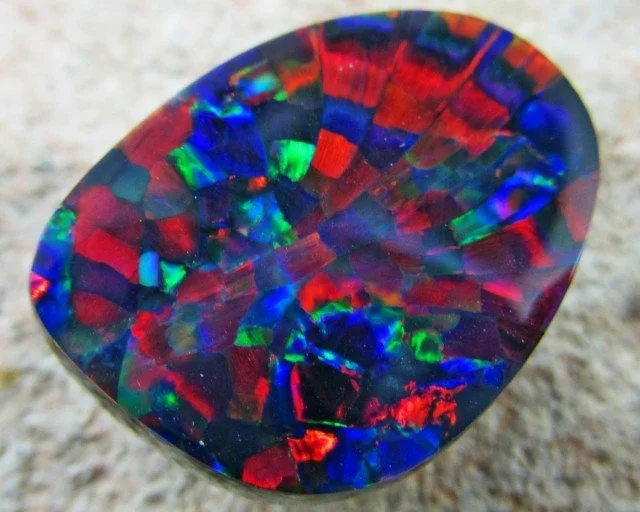
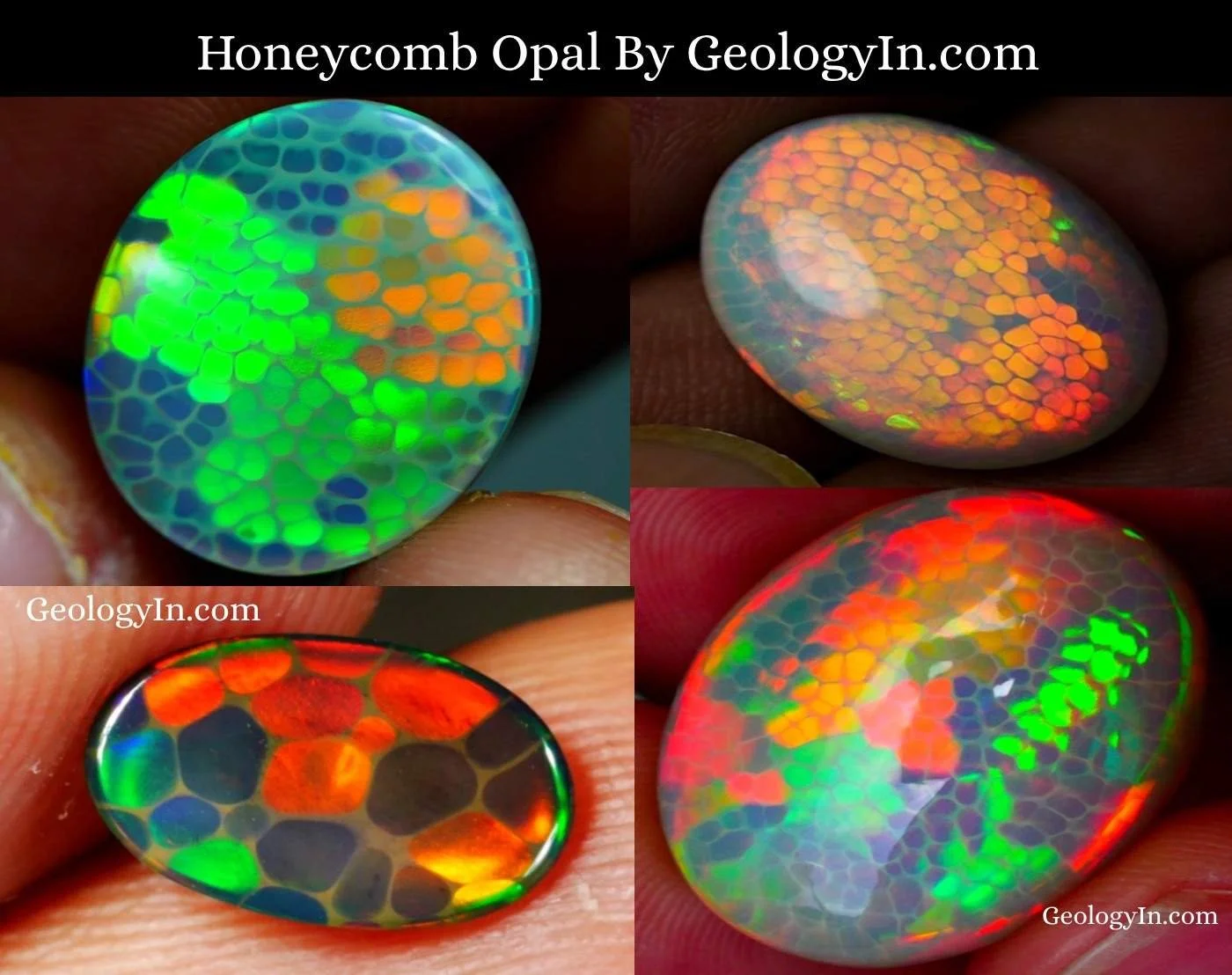
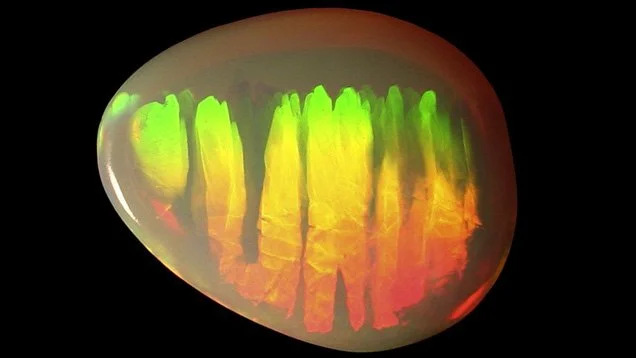
Some opals show a layering of play-of-color. The colors progressively shift from red to yellow to green, a visual indication of gravity settling during deposition. It shows that the spheres’ diameter progressively diminishes from larger (red diffraction) on the bottom to smaller (green diffraction) at the top.
Treatments
Treatments of opal typically focus on the body color and the stone’s porosity.
By darkening the background color, the play-of-color is intensified, and colors look brighter than the opal would normally display. Sugar-treated opals are heated in a sugar-saturated solution, then immersed in concentrated sulfuric acid. The reaction between the two solutions results in carbon being deposited in the pores, causing the background color to darken. Similarly, with a smoke treatment, the opals are wrapped in paper and then heated. Particles of soot penetrate the opal, depositing in the pores, and darkening the background colors.
Overly porous opals can be problematic because they easily absorb water or everyday chemicals, which can then dimmish the stone’s play-of-color. Impregnation of the opal’s pores with wax, resin, polymer, or plastic is intended to improve the appearance and durability of the opal.
As with other gemstones, treatments in opal are intended to make the opal look like a more expensive, higher quality specimen. Although a treated opal may look like an intensely colored black opal, it is not, and the value is significantly lower. All these treatments can be detected with the appropriate gemological equipment, and they must be disclosed by the seller.
Assembled stones
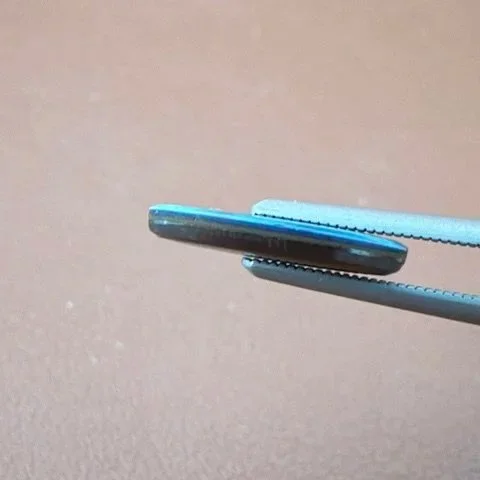
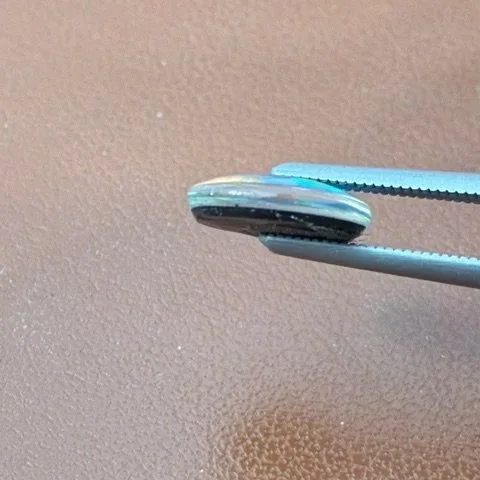
The two common types of assembled opal are the opal doublet and opal triplet. Opal can be fragile, and with thinner material, manufacturers often have to add a rigid backing for durability. A doublet is a thin layer of opal cemented to a backing. The backing is often composed of obsidian, dyed black chalcedony, black glass, natural potch opal, or plastic. A triplet is a thin layer of opal cemented between a domed top of colorless quartz or clear glass and a backing of obsidian, chalcedony, or black glass. Both of these are considered acceptable practices, although they should be disclosed.
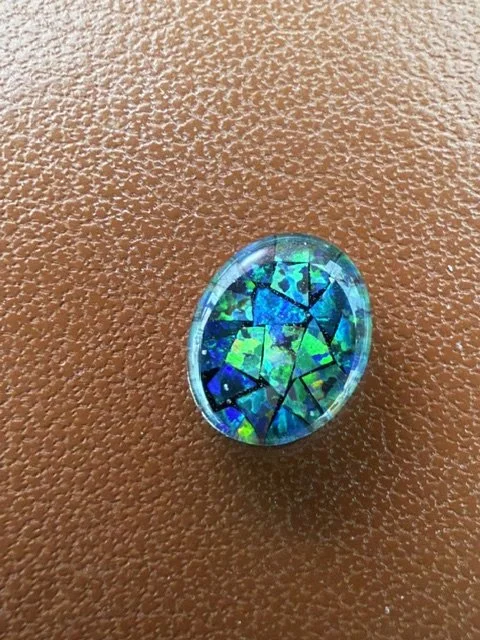
Opals too thin or small to produce a doublet or triplet on their own may be combined to form a "composite" gem. In this case pieces of precious opal are cemented together onto a backing to create a larger stone. These are usually capped due to their low durability, creating a triplet composite gem.
Synthetics & imitations
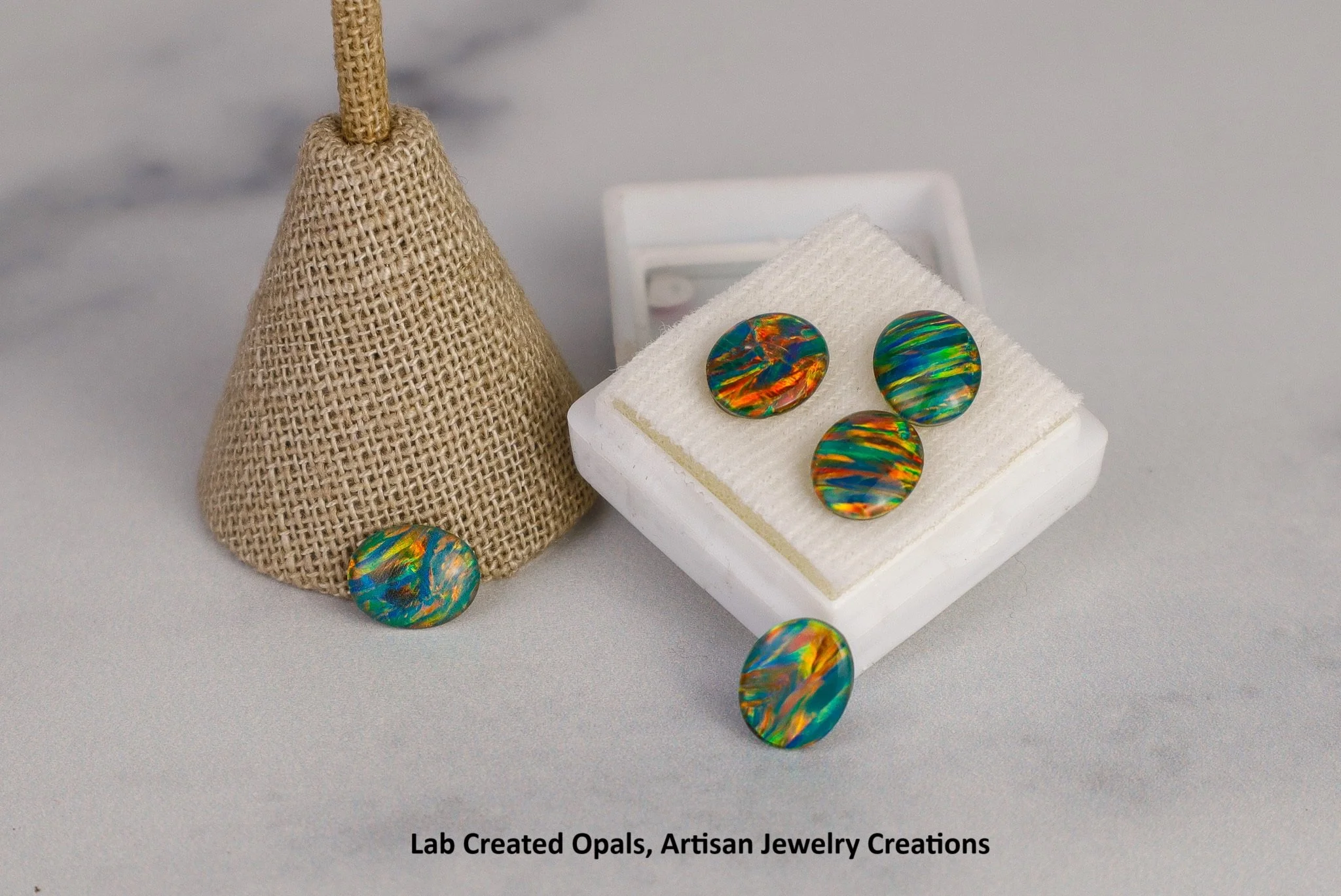
Opals have both synthetic (lab-created) and imitation (fake) counterparts. Synthetic opals have been available since the 1990’s. They are produced in a wide range of colors and patterns and make up the majority of mass-market opal jewelry. Opal imitations include both glass and plastic. Neither are actually opal, and neither displays the true play-of-color opal is known for. Slocum Stone, a glass imitation from the 1970’s, does display flashes of color caused by thin metallic film within the piece. Milky quartz with foil backing is also used as an imitation.
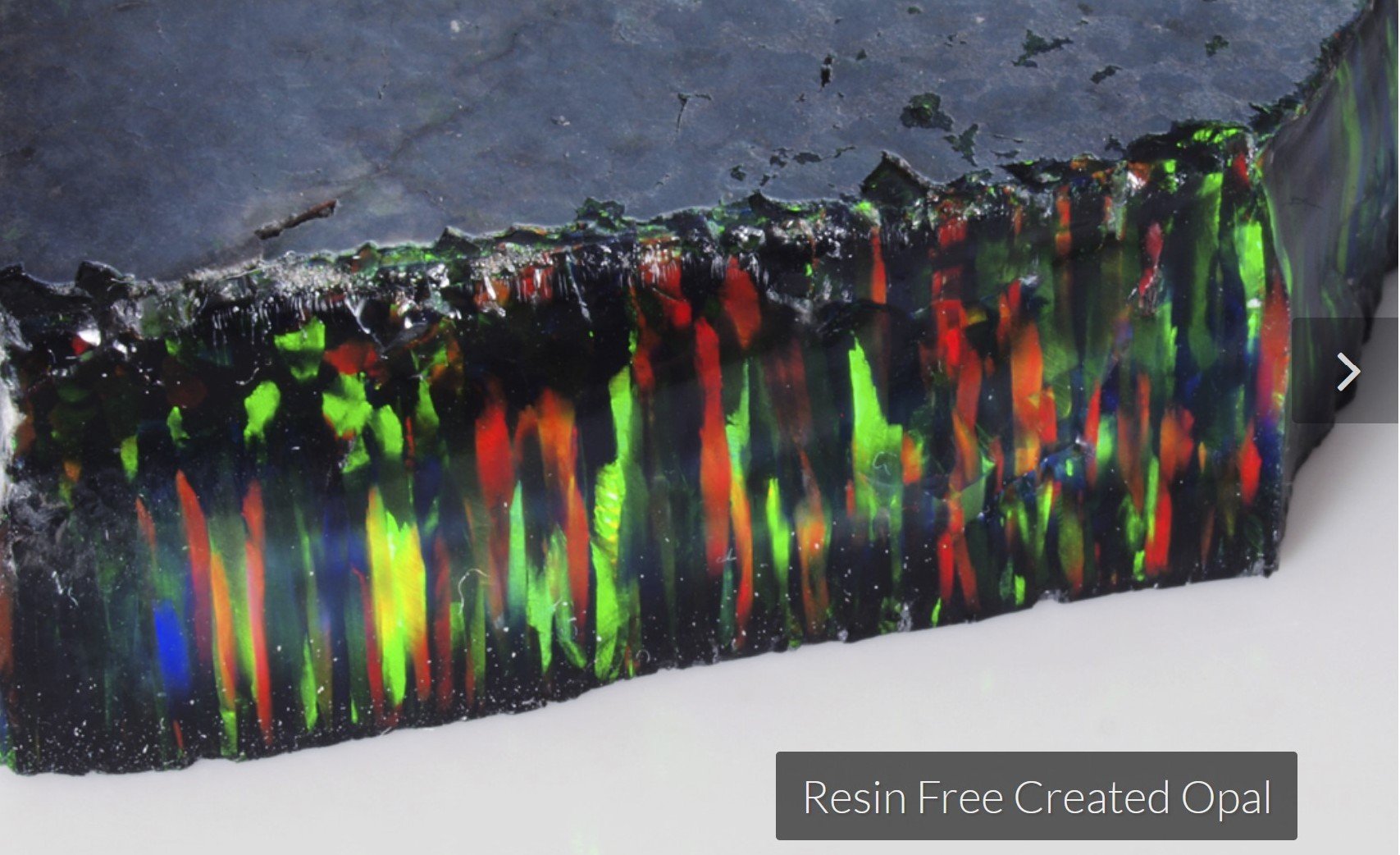
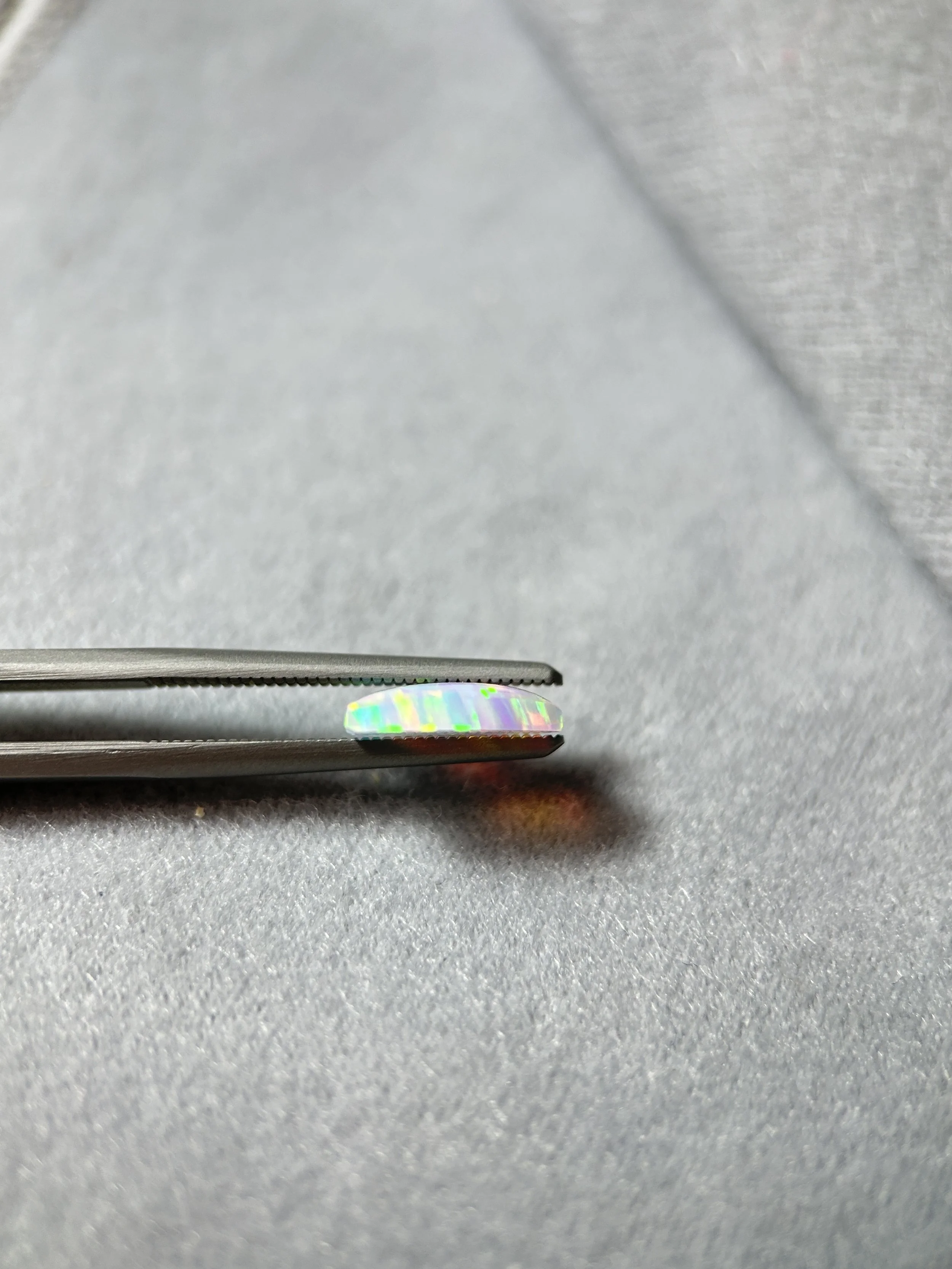
Synthetic opal is usually identified under magnification. The growth process starts with the creation of silica spheres in narrow size distributions. Colloidal crystals are formed by gravitational sedimentation of these silica particles over several days, leading to a close-packed arrangement of silica particles. After controlled drying, a polycrystalline porous synthetic opal is obtained. These are then impregnated with resin to improve toughness and strength. Although similar to how opals form in nature, this highly controlled process results in visible columns of color flashes on the sides of the synthetic slabs. Gemologists look for this pattern when separating synthetic from natural opal. One should not confuse this pattern with the digit pattern seen in some Ethiopian opals.
Caring for your opals
Natural opal is a delicate gemstone. Not caring for them properly can actually destroy the stone’s play-of-color permanently. Although synthetic opal is more durable, it too can be damaged by improper care.
Never clean opal jewelry in mechanical cleaning systems like an ultrasonic or steam cleaner. These are too rough for the stone. Like most gemstone jewelry, the best way to clean most opal jewelry is with warm water, mild soap, and a soft brush. D not use other cleaning solutions, as they can damage delicate gems like opal & pearls. Doublet or triplet opals should not be soaked in soapy water as this could impact the glue holding the layers together. Opals are sensitive to changes in temperature so the water used should be close to room temperature.
When an opal loses moisture (water content evaporates), it can lead to crazing: a fine network of cracks that resembles a spider’s web. Crazing cannot be fixed and the stone is permanently damaged. Opals that show crazing may also lose their play-of-color. Crazing usually strikes when an opal removed from damp conditions is allowed to dry too quickly, or when left in a car in intense heat or cold, or left in very dry conditions for extended periods.
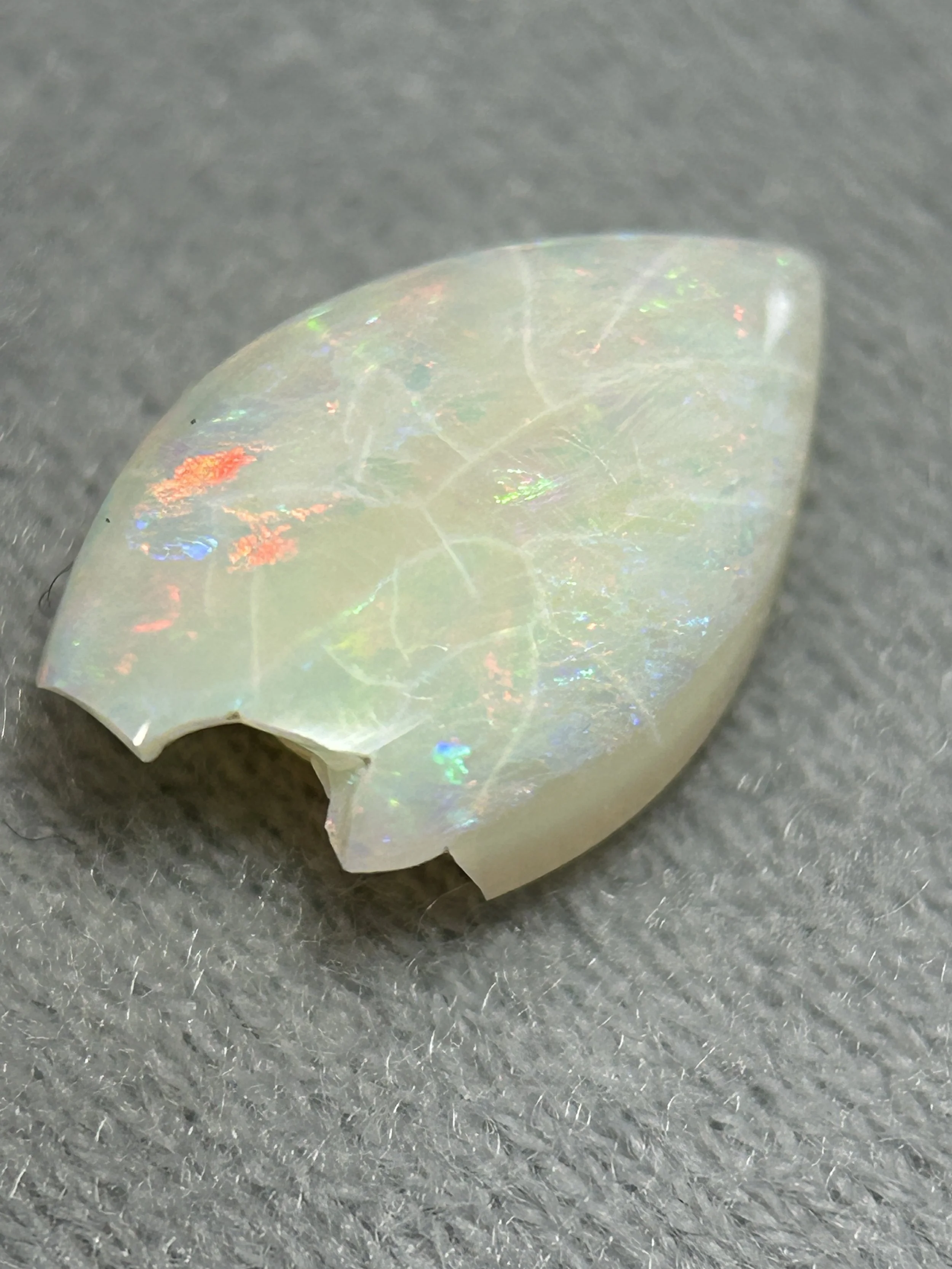
A network of fine cracks across an opal is called crazing. This is due to loss of moisture and/or abrupt temperature changes. The damage is irreversable.
Photo author’s own.
Don't store your opal pieces in oil or glycerin. This will not help them and for porous stones, it could alter their appearance. Do not store your opal pieces in safety deposit boxes as those environments are typically very dry. Do keep them separate from other jewelry pieces to minimize scratching (opal is soft).
Be careful when applying perfume, cologne, makeup, and hairspray before you put on any gemstone jewelry, but be particularly cautious with opal jewelry. Acids, alcohols, and other chemicals can damage opals or cause stains in the stone. Always put your jewelry on last and have it be the first item you take off. Avoid doing household or outdoor chores while wearing opals for the same reasons.
REFERENCES
Brown, Leslie Dean, March 2005, Characterization of Australian Opals, PhD Thesis, University of Technology Sydney, DOI:10.13140/RG.2.2.27644.95360
Gaillou, E., Delaunay, A., Rondeau, B., Bouhnik-Le Coz, M., Fritsch, E., Cornen, G., and Monnier, C. 2008. The geochemistry of gem opals as evidence of their origin. Ore Geology Reviews 34(1–2): 113–126.
Gaillou, Eloise. (2015). An overview on Gem opals: from the geology to the color to the microstructure. Conference: Thirteenth annual Sinkankas symposium – Opal At: GIA World Headquarters, Carlsbad, California, USA
Rey, Patrice F, 2013, Opalisation of the Great Artesian Basin (central Australia): An Australian story with a Martian twist, Australian Journal of Earth Sciences, 60(3):291-314.
Rondeau, Benjamin, Emmanuel Fritsch, Michel Guiraud, and Christophe Renac, 2004 (October), Opals from Slovakia ("Hungarian" opals): A re-assessment of the conditions of formation, European Journal of Mineralogy 16(5):789-799, DOI:10.1127/0935-1221/2004/0016-0789
J. Sanders. STRUCTURE OF OPALS. Journal de Physique Colloques, 1985, 46 (C3), pp.C3-1-C3-8. 10.1051/jphyscol:1985301 jpa-0022461 (https://hal.science/jpa-00224618/document)
https://www.australianenvironmentaleducation.com.au/how-are-opals-formed/
https://australian.museum/learn/minerals/gemstones/opal/
https://energymining.sa.gov.au/industry/minerals-and-mining/mineral-commodities/opal
https://www.etsy.com/shop/AameenGemsCo?page=1#items
https://geology.com/gemstones/opal/
https://www.geologyin.com/2025/10/what-is-welo-opal.html
https://geologyscience.com/gemstones/rare-unique-gemstones/pinfire-opal/
https://www.jpl.nasa.gov/images/pia20273-silica-in-opal-at-buckskin-and-greenhorn-on-mount-sharp
https://mars.nasa.gov/resources/642/gemstone-of-the-year-labeled/
https://www.minerals.net/mineral/opal.aspx
https://museum.wa.gov.au/explore/dinosaur-discovery/australia-cretaceous/
https://www.opal.academy/new-page-1
https://www.synthetic-opals.com/synthetic-opal-manufacture.html
https://www.tesep.org.au/images/downloadcasestudies/TESEP_Case_Study_1.006_Australian_Opal.pdf